
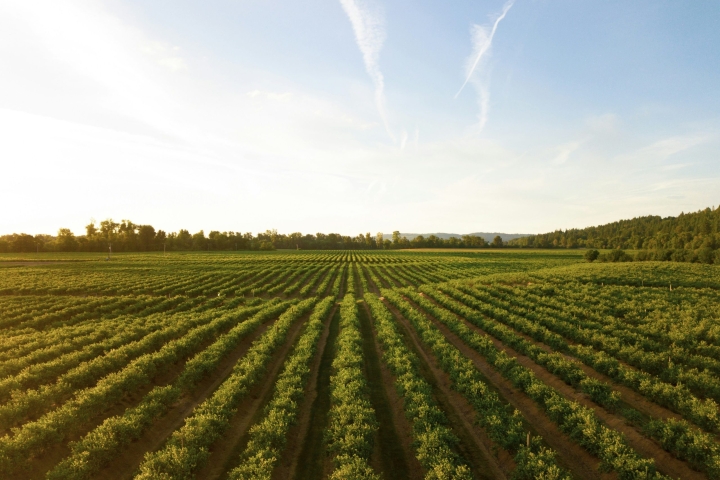
AHDB’s (Agriculture and Horticulture development board) latest crop development report indicates that winter cereal and oilseed crops are progressing well ahead of expectations. The findings show notable improvement compared with recent seasons, particularly last autumn, when prolonged wet weather disrupted drilling and early establishment. The focus key phrase AHDB winter crop development will be used throughout to reflect the central focus of the report.
As of Monday 24 November, only three per cent of planned winter wheat remains to be drilled. Most crops have already emerged and many have developed rapidly. AHDB winter crop development data shows that 83 per cent of the 2026 winter wheat crop, 89 per cent of winter barley, 87 per cent of winter oats and 82 per cent of winter oilseed rape are in good or excellent condition.
These figures contrast sharply with conditions reported in November 2024, when 18 per cent of winter wheat was yet to be planted or emerge and only 44 per cent of crops were classed as good or excellent. AHDB winter crop development metrics suggest that improved drilling conditions this year have been a critical factor. A significant carryover of nitrogen from fertiliser applied between April and June has also been reported, which may have supported the swift early development seen so far.
Comparable figures for November 2023 are not available, though many crops were affected by intensely wet conditions at the time. The current condition ratings are close to those last observed in November 2022 for the harvest 2023 season, marking a return to more favourable early season progress.
The positive outlook is tempered by wider financial concerns. Farmers continue to face low margins following two difficult years, with subdued malting and milling premiums adding further strain. AHDB winter crop development is therefore being interpreted within a broader economic context.
Helen Plant, AHDB Senior Analyst for Cereals and Oilseeds, said: “Overall, crop potential for harvest 2026 looks promising, and there is hope that higher yields will help offset current low prices. However, it’s important to remember that farmers have experienced two exceedingly difficult financial years and low margins remain a challenge, with depressed malting and milling premiums adding further pressure.”