
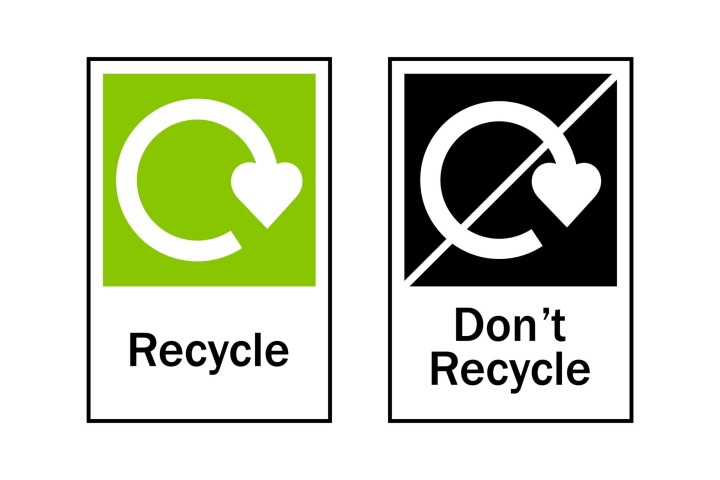
England’s waste system is set for its most significant reform yet in April 2026, as the Government introduces its Simpler Recycling framework. The aim is to replace the existing patchwork of local rules with a single national system, bringing clarity to households and businesses alike.
From April, all waste in England must be separated into four streams: residual (non-recyclable) waste, food waste, paper and card, and dry recyclables including plastic, metal, and glass. The change is intended to eliminate the “postcode lottery” of recycling rules that has long caused confusion and contamination.
For businesses, compliance is not optional. Organisations with 10 or more full-time employees, including those spread across multiple sites, must follow the rules. Responsibility may also extend to landlords and facilities management companies handling waste on behalf of businesses.
Failure to comply carries serious consequences. Businesses could face £110 fixed penalties, civil sanctions, fines exceeding £5,000, and increased landfill costs due to contamination. Landfill tax has already risen by 20%, from £103.70 to £126.15 per tonne, making proper separation more urgent.
Grant Keenan, Managing Director of Keenan Recycling, warned: “We are always here to help businesses comply. But leaving it too late puts pressure on systems, resources, and ultimately the business itself.”
The scale of change is considerable. Food waste separation, in particular, affects a wide range of sectors, from hospitality and healthcare to manufacturing and offices. Mismanagement can lead to fines, reputational damage, and higher landfill costs.
Keenan Recycling has stressed the importance of early preparation. As 2026 approaches, demand for compliant waste infrastructure, bins, collections, and training is expected to rise sharply. Delaying action could make timely compliance difficult or impossible.
Grant Keenan emphasised the opportunity behind the reform: businesses that act proactively can reduce waste, cut costs, and operate more sustainably. “The companies that will succeed in 2026 are not those scrambling to comply in March, but those planning systems, training teams, and aligning processes now,” he said.
April 2026 may seem months away, but preparation requires time. Infrastructure, contracts, education, and compliance systems must be in place to avoid financial penalties and operational disruption. Keenan Recycling is positioning itself to guide businesses through this change with practical support and early engagement, rather than last-minute fixes.
Simpler Recycling represents a major shift in England’s waste landscape. Fines are real, costs are rising, and early action is essential for businesses to thrive under the new national framework.