
The Garden House Hospice Care funding crisis has deepened as the charity warns that more than 20 members of staff may face redundancy. The hospice in Letchworth Garden City has described the situation as the “most serious” financial challenge in its history. It has now begun a 30 day consultation with staff to identify possible savings as it struggles with a £1.1 million shortfall. Earlier this year the Garden House Hospice Care funding crisis led to the closure of a quarter of its bedrooms, a move that left both staff and patients distressed.
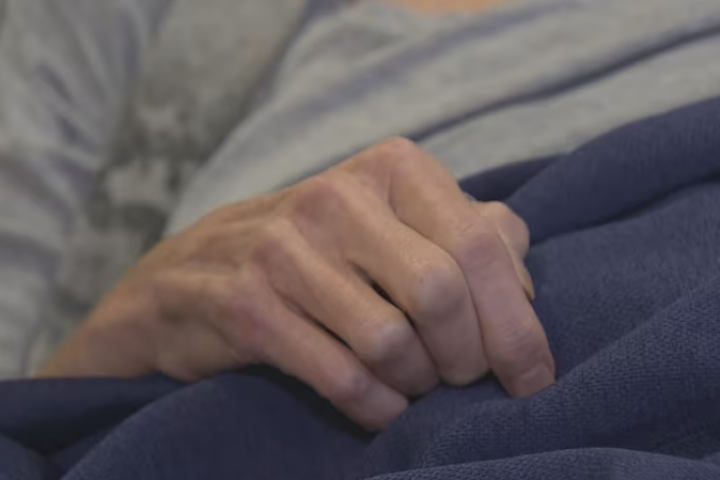
The hospice launched a public appeal in an attempt to close the gap and maintain services. So far, £133,033 has been raised, but the total remains far from what is required to safeguard its future. Patients who rely on the hospice for vital end of life care have spoken out about the impact of the Garden House Hospice Care funding crisis. Patient Roz Gordon said: “I’m absolutely devastated that the hospice crisis is something we even have to talk about.” She added that the hospice “gives all of us in a similar situation to me the dignity to be able to end our lives as we wish”.
Lisa Hunt, chief executive of Garden House Hospice Care, said the organisation was being forced to take “drastic action”. In a statement she thanked local people for their efforts to help. “We are deeply grateful for the generosity and belief shown by our community,” she said. “But despite this incredible support, it isn’t enough. Today, we face the most serious challenge in our hospice’s history.”
The hospice costs £8.5 million a year to run, which equates to £11.53 every minute, and the scale of the Garden House Hospice Care funding crisis reflects a wider national problem. Garden House receives just 29% of its funding from the NHS for commissioned services. The remaining 71% must be raised through voluntary donations. Across the sector two thirds of hospices reported a shortfall last year and 40% are reducing services in 2025. That number is expected to rise.
Mrs Hunt said: “This is not just a funding crisis. It is a care crisis.” She explained that hospices are vital within the health system and that “without sustainable funding, that safety net is collapsing”. She said pressure on health and social care was severe, adding: “It’s gut wrenching. Hospice care should not be left until last to be considered.” Calling for government support, she said: “The government must wake up and see the stark reality of this situation not just for Garden House Hospice Care, our staff, volunteers and services users but for all hospices.”
A spokesman for the Department of Health and Social Care said the government understood the “incredibly tough pressures” facing hospices. He said the government had invested £100 million to improve hospice facilities and committed £80 million for children and young people’s hospices over three years. He added that there was more to do and that work was underway to improve the sustainability of palliative and end of life care as part of the 10 year Health Plan.