Vistry has finalised contracts for major developments in Worcester and Bury St Edmunds, setting the stage for the construction of more than 3,500 homes across the two sites.
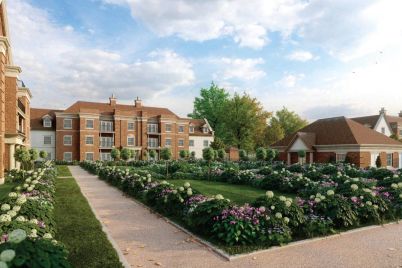
In South Worcester, the Hopfields development will see Vistry build over 2,000 homes within a mixed-use community that already benefits from outline planning consent. The project will include a local centre, employment land, and up to 2,204 homes, with 20 per cent designated as affordable housing.
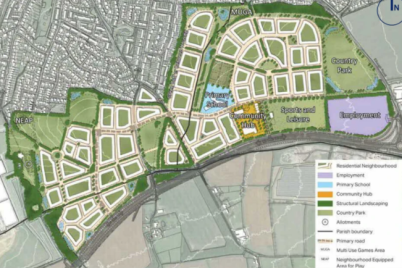
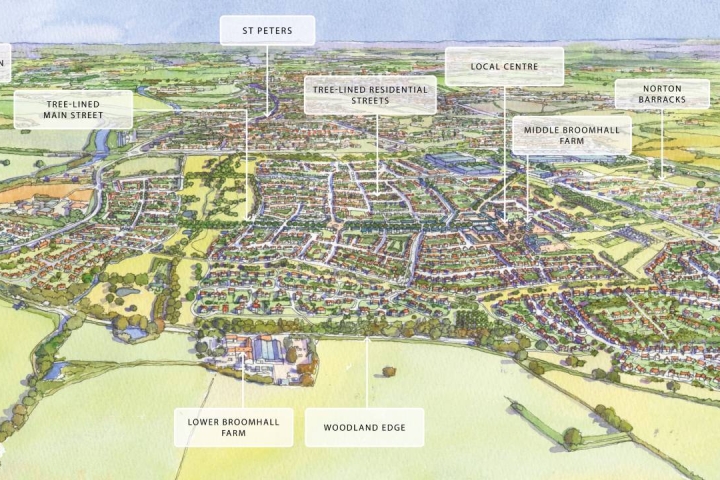
In Bury St Edmunds, Suffolk, Vistry has secured a 194-acre site north-east of the town, enabling the creation of over 1,300 homes as part of one of the region’s largest sustainable urban extensions. The masterplan comprises up to 1,375 homes, a new primary school, commercial space, a local centre, and a country park. At least 30 per cent of the homes will be affordable.
The Bury St Edmunds scheme already benefits from hybrid planning permission from West Suffolk District Council, with 287 homes having secured reserved matters consent.
James Warrington, executive chair for Vistry’s North, South Midlands and East Division, said: “Large sites such as these demonstrate our long-term commitment to building more mixed-tenure homes at scale, working with our partners, and helping to meet the acute shortage of affordable homes across the country. Thanks to the unique strengths of Vistry, we can make use of our retail brands Bovis Homes, Countryside and Linden Homes, as well as taking advantage of the timber frame manufacturing capabilities of Vistry Works.”
Vistry expressed its gratitude to Savills for their work on the Bury St Edmunds contracts, and to Fisher German, Wellbeck Land, and Arc Chartered Surveyors for their support with the Hopfields land purchase.
These developments underline Vistry’s strategy of delivering large-scale, mixed-tenure communities while incorporating local amenities and sustainable planning principles. The combination of housing, community facilities, and commercial space aims to create well-rounded communities that respond to both regional housing needs and long-term urban growth.