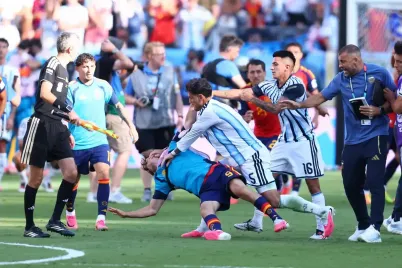
Egypt wrote another memorable chapter in their football history by defeating Australia 4-2 on penalties after a tense 1-1 draw in their FIFA World Cup Round of 32 tie at Dallas Stadium in Arlington, Texas. In a contest that rarely reached great technical heights but never lacked intensity, the Pharaohs held their composure when it mattered most, converting four of their spot-kicks to secure a place in the last 16 for the first time in the modern era of the competition. Hossam Abdelmaguid struck the decisive penalty after Australia’s challenge faded in the shootout, sparking emotional celebrations among players, staff and supporters as Egypt progressed to face either Argentina or Cape Verde.
For Australia, the defeat represented another painful World Cup exit. Tony Popovic’s side had shown their trademark resilience throughout the tournament and once again displayed tremendous organisation, discipline and commitment over 120 minutes. However, football at the highest level is often decided by the smallest of margins, and after recovering from an early setback to force extra time, the Socceroos were unable to produce the perfect finish from 12 yards.
The opening exchanges reflected the importance of the occasion. Neither side appeared willing to overcommit players forward, preferring to remain compact and avoid the type of defensive errors that can instantly end a World Cup campaign. Australia attempted to establish control through patient possession, while Egypt looked dangerous whenever Mohamed Salah and Omar Marmoush found space to attack the channels.
It was Egypt who struck first after an inventive set-piece routine caught the Australian defence off guard. Rather than delivering a conventional cross into the area, the free-kick was worked cleverly before Emam Ashour timed his movement perfectly to meet the final ball and finish confidently beyond the goalkeeper. The breakthrough rewarded Egypt’s bright start and immediately shifted the pressure onto Australia, who suddenly found themselves chasing the game in a knockout contest.
Ashour has enjoyed an outstanding tournament and once again demonstrated his growing influence. Comfortable drifting into advanced positions and capable of linking midfield with attack, he proved a constant problem for Australia’s defensive shape. His goal gave Egypt belief that another famous result was within reach.
Australia, though, refused to panic. Popovic’s side have built their recent progress on discipline rather than flamboyance, and they gradually settled after conceding. Harry Souttar remained a commanding presence in defence, Jackson Irvine worked tirelessly in midfield, while Connor Metcalfe and Aiden O’Neill attempted to increase the tempo as the Socceroos searched for an equaliser.
Despite enjoying longer spells of possession before the interval, Australia struggled to create clear-cut opportunities. Egypt’s defensive unit remained compact, closing central spaces and forcing the Socceroos into wider areas where crosses were comfortably cleared. Salah’s willingness to track back also highlighted the collective commitment within Hossam Hassan’s squad, with every player prepared to contribute defensively.
The first half ended with Egypt narrowly ahead, although neither side had truly dominated proceedings. Australia knew one goal would bring them back into the contest, while Egypt recognised they were only 45 minutes from reaching entirely new territory in World Cup history.
Australia emerged after the restart with noticeably greater urgency. Their pressing became more aggressive and their wing-backs pushed significantly higher, forcing Egypt deeper inside their own half. The increased pressure eventually produced the equaliser, although fortune played a decisive role.
A dangerous Australian delivery into the penalty area caused uncertainty among Egypt’s defenders, and Mohamed Hany inadvertently diverted the ball into his own net while attempting to clear the danger. It was a cruel moment for the defender, whose difficult year continued with another hugely unfortunate incident, but it transformed the momentum of the contest.
The own goal lifted Australian confidence and briefly unsettled Egypt. For perhaps the first time in the evening, the Socceroos looked capable of completing the turnaround as they forced their opponents into hurried clearances and defensive interventions.
Yet despite the change in momentum, genuine scoring opportunities remained scarce. Both teams defended with determination, aware that a single lapse in concentration could end months of preparation. Egypt regained some composure midway through the second half and once again began to involve Salah and Marmoush more regularly in attacking positions.
Salah’s return from a recent hamstring problem had been one of the major talking points before kick-off. Having been declared fit enough to start, the Liverpool forward provided moments of quality throughout the contest, even if Australia largely succeeded in limiting his opportunities inside dangerous areas. Every touch from Egypt’s captain carried the possibility of something decisive, and Australia’s defenders rarely allowed themselves a moment’s relaxation whenever he drifted into possession.
Marmoush also remained an influential figure, constantly stretching Australia’s back line with intelligent movement. Although neither Egyptian star managed to find the winning goal during open play, their presence ensured Australia could never fully commit numbers forward without exposing themselves to dangerous counter-attacks.
As normal time drew towards its conclusion, both managers faced increasingly difficult tactical decisions. Should they continue searching for victory, or protect themselves against the risk of conceding late? Unsurprisingly in a World Cup knockout match, caution largely prevailed.
Extra time followed a similar pattern. Physical fatigue inevitably became more apparent, with cramp affecting several players after their relentless efforts during the previous 90 minutes. Passes became less precise, attacking movements slowed and defensive organisation became increasingly valuable.
Australia perhaps enjoyed marginally more territorial possession during periods of extra time, but Egypt produced the clearer attacking moments whenever they managed to break through midfield. Substitute introductions added fresh energy without fundamentally altering the balance of the contest, and gradually both teams appeared to accept that penalties would decide who continued their World Cup journey.
Shootouts have an unforgiving reputation. Months of preparation, tactical planning and physical effort can ultimately come down to a handful of kicks from 12 yards.
Egypt approached the moment with impressive composure. Each taker displayed remarkable confidence despite the enormous pressure resting upon their shoulders. Australia, by contrast, were unable to maintain the same clinical standard, with two unsuccessful penalties proving decisive.
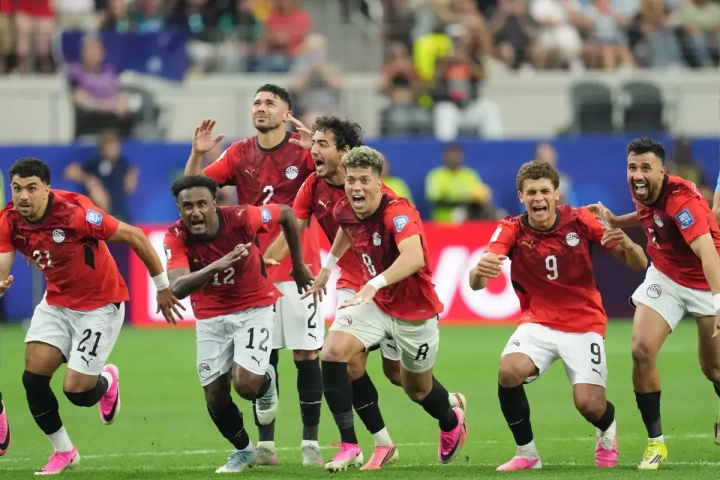
The defining moment arrived when Hossam Abdelmaguid stepped forward knowing successful conversion would send Egypt into the last 16. Showing remarkable calm, he delayed his run before confidently sending the goalkeeper the wrong way and finding the corner of the net. Instantly, Egyptian players sprinted towards the celebrating defender as history was secured.
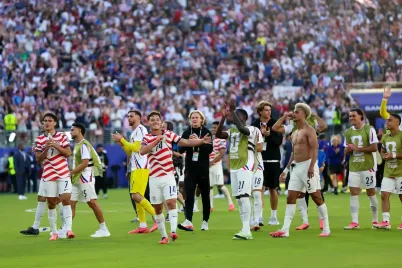
The celebrations reflected the magnitude of the achievement. Egypt had previously never won a World Cup knockout tie, making this one of the greatest moments in the country’s football history. Players embraced, coaching staff celebrated wildly on the touchline and travelling supporters produced scenes of unforgettable joy inside the stadium.
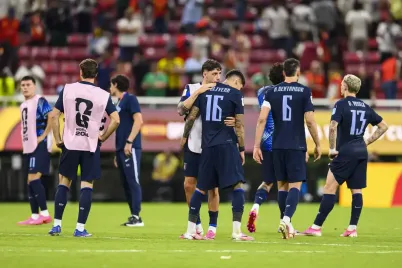
Australia’s players, meanwhile, were left devastated. Having recovered from going behind and fought courageously through 120 demanding minutes, elimination via penalties represented perhaps the cruellest possible ending. Several players remained on the pitch long after the final kick, absorbing the disappointment of another near miss on football’s biggest stage.
Popovic’s team nevertheless leave the tournament with considerable credit. Australia once again demonstrated their ability to compete against technically gifted opponents through organisation, resilience and collective spirit. Their progression from a challenging group had already represented another encouraging step under the current manager, even if the ultimate prize proved just beyond reach.
Speaking after the match, Popovic praised his players for their effort and commitment despite the painful result. He acknowledged the cruel nature of penalty shootouts, insisting his squad had given everything throughout the evening and had little reason to question either their attitude or preparation. The Australian coach also highlighted the narrow margins separating success from disappointment in knockout football, suggesting his players should leave the tournament with pride despite the heartbreak.
Hossam Hassan understandably described the victory as one of the most significant achievements of Egyptian football. The Egypt coach commended his players for maintaining belief after Australia equalised and praised their composure during the shootout. He also paid tribute to the entire squad rather than focusing solely on individual stars, emphasising that their historic progress had been built upon collective effort, tactical discipline and unwavering determination.
While Salah inevitably attracted much of the pre-match attention, Egypt’s success underlined the strength of the team rather than dependence upon one individual. Ashour delivered another influential display, the defensive unit restricted Australia’s attacking opportunities for long periods, while goalkeeper and penalty takers handled the decisive moments with exceptional confidence.
Australia can equally reflect on several encouraging individual performances despite elimination. Souttar again demonstrated why he remains central to the national team’s defensive identity, Irvine covered enormous distances throughout midfield and the squad collectively maintained their intensity until the very final kick.
The match itself may not be remembered as one of the tournament’s great technical spectacles. Chances were limited, attacking quality appeared inconsistent and both teams understandably prioritised defensive security over adventurous football. Yet knockout football often produces drama through tension rather than artistry, and this encounter certainly provided emotional theatre.
Every tackle carried greater significance as the match progressed. Every clearance, interception and save moved one nation closer to history while threatening the dreams of the other. By the time penalties arrived, both squads had invested everything physically and mentally into their pursuit of victory.
Egypt now continue their remarkable World Cup journey with growing confidence. Having reached the knockout stage for the first time before securing an historic first knockout victory, belief within the squad will inevitably increase ahead of their next challenge. Regardless of who awaits them in the last 16, they have already shown they possess the organisation, resilience and composure required to trouble elite opposition.
For Australia, the tournament ends in disappointment but also with valuable experience that should benefit the next generation of international players. Fine margins ultimately separated progression from elimination, and although the pain of defeat will linger, there were enough encouraging signs throughout the campaign to suggest the Socceroos remain capable of competing successfully on football’s biggest stage.
Ultimately, history belonged to Egypt. After 120 demanding minutes and a nerve-shredding penalty shootout, the Pharaohs kept their composure when it mattered most. One decisive kick from Hossam Abdelmaguid ensured their place in the last 16, sending a nation into celebration and confirming this unforgettable evening in Arlington as one of the greatest moments in Egyptian football history.